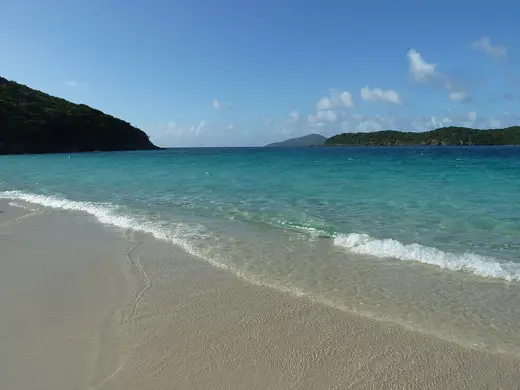
Bahia Honda State Park beaches
Bahia Honda State Park beaches
Florida Keys, Monroe County, Florida, United States
- Sand
- Camping
- Fishing
- Fee: USD 8
 Best beaches in USA
71 beach profiles published for USA so far, across 51 regions. This is a growing set, not a complete list. Open a profile for sources and what is still unknown.
Florida Keys, Monroe County, Florida, United States

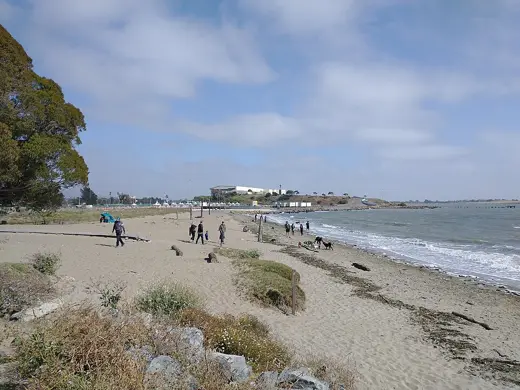


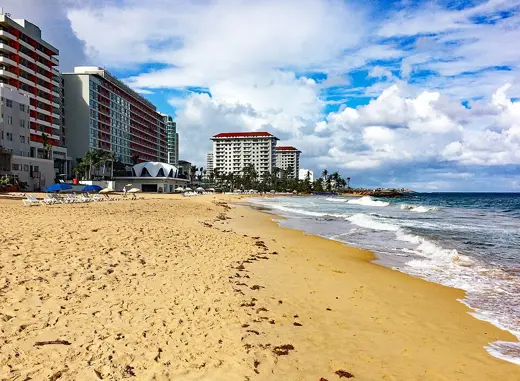

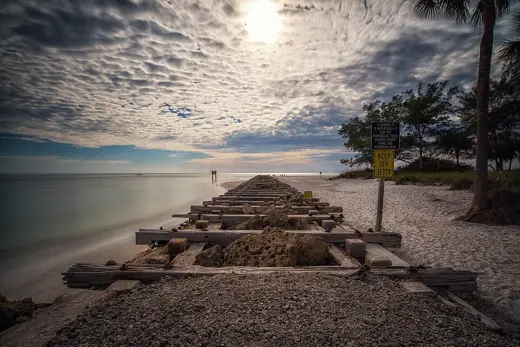
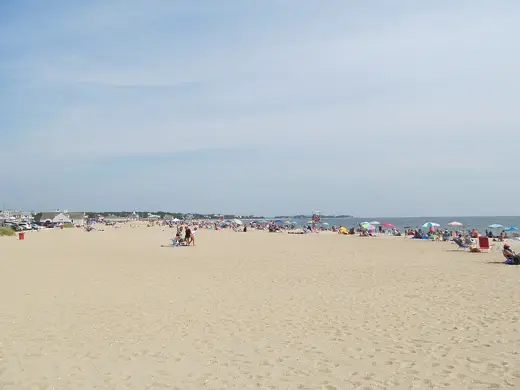
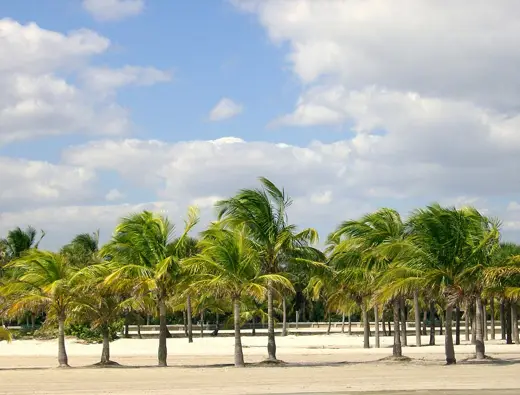
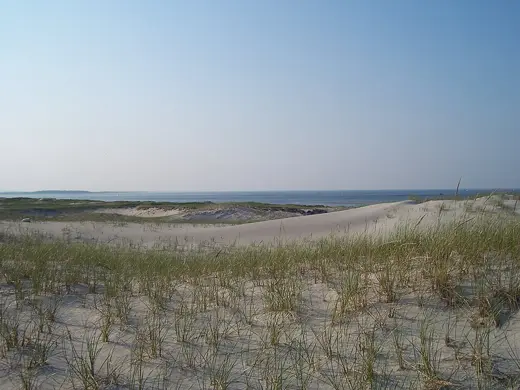
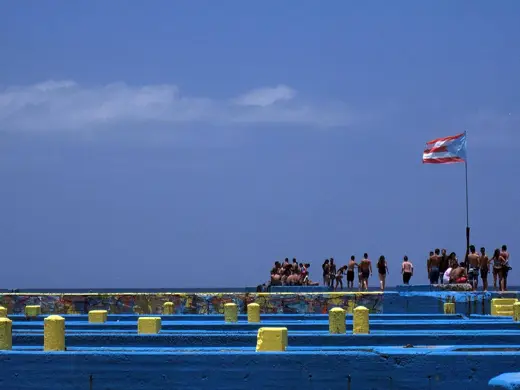
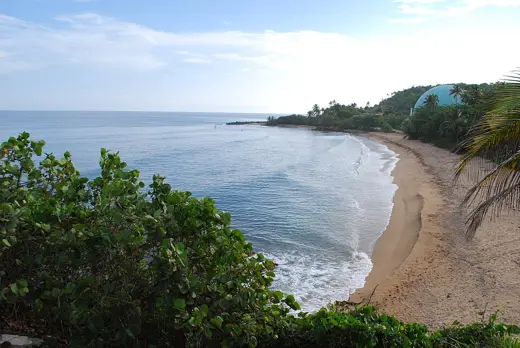
Conditions differ by coast. These notes are per region, using one reference town for each.
Typical swim months: May, June, July, August, September, October
Gulf water is 25-30 C from May to October and drops to about 19-20 C in winter (Tampa), colder at Pensacola (17.5 C in February). May is described as generally excellent with fewer thunderstorms than summer; summer brings near-daily storms and humidity.
Hurricane season June-November, highest risk August-October. Red tide (Karenia brevis) blooms are most common late summer to winter, mainly between Clearwater and Sanibel Island; FWC lists the highest-occurrence months as September-January.
Typical swim months: April, May, June, July, August, September, October, November
Miami water stays 23.5-30 C all year, but the source says December to April is the best overall period and mid-March to late April best for swimming since winter can be cool and windy. May to October is the wet season with daily showers and storms. Northeast Florida water is cooler in winter (21 C).
Hurricane season June-November, more frequent August-October.
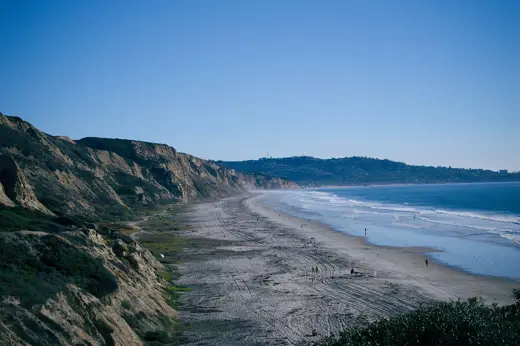
Typical swim months: July, August, September, October
Pacific water is cool: 19.5-20.5 C even at its warmest in San Diego, 15-16 C in winter. Source gives July to October as best for the beach. Morning fog (June gloom) hits mostly May and June, occasionally July.
Coastal morning fog May-July; water temperatures north of San Diego are not covered by the source.
Typical swim months: January, February, March, April, May, June, July, August, September, October, November, December
Sea is 24-27 C all year, so swimming is possible year-round. Best time to visit per source is May to October when trade winds ease the heat; exposed north-facing coasts get higher waves and brief winter storms occur December to March.
Hurricane/cyclone season June-November, August-September most likely though direct hits are rare. Winter surf on north-facing shores is only implied by the source (higher waves on exposed coasts) - verify with local lifeguard authorities. Honolulu values shown.
Typical swim months: July, August, September
Atlantic water is cold: Boston is about 18.5-20 C in July-August and under 10 C from December to May. NPS says Cape Cod National Seashore summer water averages 60-70 F (about 16-21 C), with early July around 55-60 F at Marconi Beach in a 2016 notice.
NPS lifeguards at Cape Cod National Seashore beaches typically late June to Labor Day only; shark activity noted into September-October. Boston values shown (not Cape Cod itself, which is cooler on the open-ocean side).
Sources: reference climate tables, checked 2026-11-14. Typical climate, not a forecast.